
Table of Contents
Awareness of contraceptive methods among adolescents
1. Cover Page, Certificate, and Acknowledgement
the CBSE Class 11 Biology project assets — Cover Page, Certificate, and Acknowledgement — in print‑ready format for your investigatory file.
2. Objective
This investigatory project aims to:
- Assess the level of awareness regarding various contraceptive methods among adolescents aged 16-19 years.
- Identify the primary sources of information on reproductive health and contraception for this demographic.
- Gauge the understanding of the biological mechanisms, effectiveness, and potential side effects of common contraceptive methods.
- Analyse gender-based and academic-stream-based differences in contraceptive knowledge.
- Propose evidence-based recommendations to enhance adolescent reproductive health education.
Awareness of contraceptive methods among adolescents
3. Introduction
Adolescence is a critical period of biological, psychological, and social transition marked by the onset of puberty and the development of secondary sexual characteristics. According to Chapter 4: Reproductive Health (NCERT Class XII Biology), reproductive health implies a total well-being in all aspects of reproduction—physical, emotional, behavioural, and social. A key pillar of reproductive health is family planning and contraception, which empowers individuals to make informed choices about their sexual and reproductive lives.
In India, adolescents constitute about 21% of the population. With increasing exposure to digital media, shifting social norms, and early sexual maturation, adolescents face heightened risks related to unplanned pregnancies, sexually transmitted infections (STIs), and emotional distress due to misinformation. Despite government initiatives like the Adolescent Reproductive and Sexual Health (ARSH) program, a significant knowledge gap persists at the grassroots level.
Awareness of contraceptive methods is not merely about preventing unwanted pregnancies; it encompasses understanding one’s own body, respecting consent, ensuring safe practices, and planning one’s future. This project seeks to explore this crucial aspect of adolescent education, aligning with the NCERT emphasis on the need for creating awareness about reproductive health to build a socially and physically healthy society.
Awareness of contraceptive methods among adolescents
4. Theory
4.1 Contraceptive methods: an overview (As per NCERT)
Contraceptive methods are designed to prevent conception by interfering with the process of fertilization or implantation. They are broadly categorized as:
A. Natural/Traditional Methods:
- Periodic Abstinence: Avoiding coitus from day 10 to 17 of the menstrual cycle (fertile period).
- Withdrawal (Coitus Interruptus): Withdrawal of the penis before ejaculation.
- Lactational Amenorrhea: Temporary absence of menstruation during intense lactation.
B. Barrier Methods:
- Condoms (Male & Female): Sheaths that prevent the meeting of sperm and ovum. Also protect against STIs.
- Diaphragms, Cervical Caps, and Vaults: Reusable barriers placed over the cervix.
C. Intrauterine Devices (IUDs):
- Non-medicated IUDs (e.g., Lippes Loop).
- Copper Releasing IUDs (CuT, Cu7): Release copper ions suppressing sperm motility.
- Hormone Releasing IUDs (LNG-20): Make the uterus unsuitable for implantation.
D. Oral Contraceptives:
- Pills: Contain progestin alone or a combination of progestin and estrogen. Inhibit ovulation and alter cervical mucus.
- Emergency Contraceptive Pills (ECPs): Used within 72 hours of unprotected intercourse.
E. Injectable/Implantable Hormones:
- Injections like Depo-Provera or implants under the skin that release hormones over a period.
F. Surgical Methods (Sterilization):
- Vasectomy (males): Cutting and tying the vas deferens.
- Tubectomy (females): Blocking the fallopian tubes.
4.2 Significance of awareness
Correct knowledge dispels myths, reduces risky behaviour, and promotes responsible decision-making. It is crucial for both genders, as reproductive health is a shared responsibility. Awareness also combats societal stigma, enabling adolescents to seek professional guidance without fear.
Awareness of contraceptive methods among adolescents
5. Materials & methodology
5.1 Type of Study: Descriptive, cross-sectional survey-based study.
5.2 Duration: November 2025 – January 2026.
5.3 Sample Population:
- Size: 100 adolescents (50 Male, 50 Female).
- Age Group: 16-19 years (Classes XI & XII).
- Criteria: Willingness to participate; stratified to include students from Science, Commerce, and Humanities streams.
5.4 Tools & Materials:
- A structured, anonymous questionnaire (see Annexure) with 15 multiple-choice and Likert-scale questions.
- Informed consent forms.
- Digital tools for data compilation (MS Excel, Google Forms for a subset).
- Stationery for manual data recording.
5.5 Methodology:
- Questionnaire Design: Based on NCERT content, covering knowledge of methods, sources of information, attitudes, and misconceptions.
- Permissions: Obtained from school authorities and participants (with parental consent for minors).
- Data Collection: Questionnaires administered in a controlled, confidential setting.
- Data Analysis: Quantitative analysis using percentages and graphical representation. Comparative analysis based on gender and academic stream.
5.6 Ethical Considerations:
- Anonymity and confidentiality were strictly maintained.
- Participation was voluntary.
- A debriefing session with basic, factual information on reproductive health was provided post-survey.
Awareness of contraceptive methods among adolescents
6. Observations & data
The collected data was tabulated and summarized as follows:
Table 1: Demographic Profile of Respondents
| Category | Number (n=100) | Percentage (%) |
| Gender | ||
| Male | 50 | 50% |
| Female | 50 | 50% |
| Academic Stream | ||
| Science | 40 | 40% |
| Commerce | 35 | 35% |
| Humanities | 25 | 25% |
Table 2: Awareness of Contraceptive Methods (Percentage of respondents recognizing the method)
| Contraceptive Method | Overall Awareness (%) | Male (%) | Female (%) |
| Condoms (Male) | 94% | 98% | 90% |
| Oral Contraceptive Pills | 82% | 76% | 88% |
| Emergency Pills | 74% | 68% | 80% |
| Intrauterine Devices (IUDs) | 45% | 30% | 60% |
| Contraceptive Injections | 38% | 28% | 48% |
| Vasectomy | 52% | 58% | 46% |
| Tubectomy | 48% | 40% | 56% |
| Withdrawal Method | 65% | 70% | 60% |
Awareness of contraceptive methods among adolescents
Table 3: Primary Source of Information
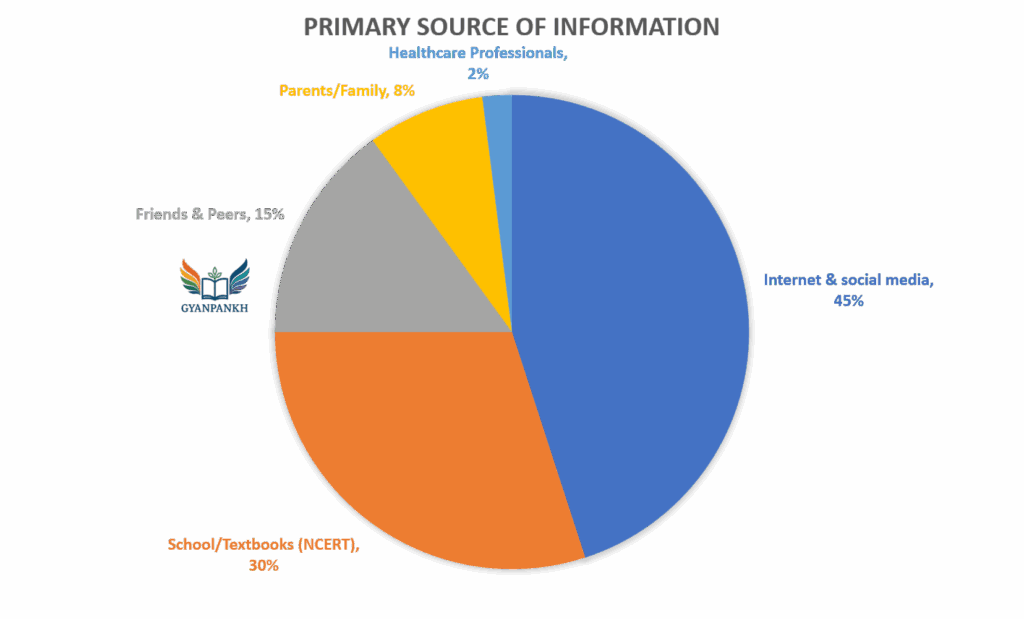
Table 4: Understanding of Biological Mechanism (Correct Response Rate)
| Statement | Correct Response (%) |
| Condoms prevent STIs | 88% |
| Oral pills work primarily by inhibiting ovulation | 56% |
| IUDs are abortifacients (Misconception) | 42% (believed this) |
| Emergency pills can be used as regular contraception | 35% (believed this) |
Awareness of contraceptive methods among adolescents
7. Results & analysis
- Level of Awareness: Awareness is high for commonly discussed methods like condoms (94%) and oral pills (82%). However, knowledge about long-acting reversible contraceptives (LARCs) like IUDs (45%) and injections (38%) is significantly low. This indicates that awareness campaigns and curricula disproportionately emphasize certain methods over others.
- Gender Disparity: Females showed better awareness of female-centric methods (pills, IUDs, tubectomy), likely due to societal conditioning where reproductive responsibility is often placed on women. Males were more aware of condoms and vasectomy. This highlights a gendered information gap that needs bridging for shared responsibility.
- Source Analysis: Alarmingly, 45% of adolescents rely on the internet and social media, which are rife with misinformation. Only 30% cited school/NCERT textbooks as a primary source. A mere 2% consulted healthcare professionals, indicating a barrier to accessing credible medical advice, possibly due to stigma or lack of approachable services.
- Understanding of Mechanisms: While awareness of existence is moderate, understanding of how methods work is poor. Only 56% correctly identified the mechanism of oral pills. A dangerous 35% believed emergency pills are for regular use, and 42% held the misconception that IUDs cause abortions, reflecting deep-seated myths that can lead to misuse or aversion to effective methods.
- Stream-wise Comparison: Science stream students showed 15-20% higher correct mechanistic understanding than Commerce or Humanities students, underscoring the role of biology education in shaping accurate knowledge.
Awareness of contraceptive methods among adolescents
8. Discussion
The findings reveal a fragmented awareness landscape among adolescents. High recognition of condoms and pills is positive, but it is often superficial, lacking depth on correct usage, efficacy, and dual protection against STIs. The low awareness of LARCs is concerning as these are highly effective, low-maintenance methods suitable for spacing pregnancies.
The overwhelming reliance on digital platforms for information is a double-edged sword. While it offers accessibility, it risks perpetuating myths (e.g., IUDs as abortifacients) without providing a scientific filter. The minimal role of parents and healthcare professional’s points to a communication gap and a persisting culture of silence around sexual health in families and clinical settings.
The NCERT syllabus does cover reproductive health comprehensively; however, its translation into confident, practical knowledge is inadequate. The gender disparity in knowledge reflects societal norms but also presents an opportunity: inclusive education that targets boys and girls equally can foster mutual responsibility.
Limitations of the Study:
- Sample restricted to school-going adolescents; out-of-school youth may have different awareness levels.
- Responses may reflect social desirability bias.
- The study is geographically limited to one locality.
Awareness of contraceptive methods among adolescents
9. Conclusion
This project concludes that while a base level of awareness about common contraceptive methods exists among adolescents, it is often incomplete, laced with misconceptions, and heavily influenced by unregulated digital sources. There is a pressing need to move beyond mere awareness of names towards a comprehensive, accurate, and practical understanding of contraceptive methods, their mechanisms, and their appropriate use. Strengthening school-based education as per NCERT guidelines, creating adolescent-friendly health services, and fostering open dialogue can empower adolescents to make informed, responsible choices for their reproductive health, thereby contributing to the nation’s broader goals of reproductive health and well-being.
Awareness of contraceptive methods among adolescents
10. Bibliography
- NCERT. (2023). Biology, Class XII Textbook. Chapter 4: Reproductive Health. National Council of Educational Research and Training.
- Government of India. (2014). Adolescent Reproductive and Sexual Health (ARSH) Strategy. Ministry of Health & Family Welfare.
- World Health Organization (WHO). (2020). Family Planning/Contraception Methods Fact Sheets.
- Online Resources (for conceptual understanding only):
- Gyan Pankh. https://gyanpankh.com/
- Wikipedia. https://www.wikipedia.org/
Awareness of contraceptive methods among adolescents
11. Annexure
Section A: Demographic Information
- Age: ______ Years
- Gender:
- Male
- Female
- Prefer not to say
- Academic Stream:
- Science
- Commerce
- Humanities / Arts
Section B: General Awareness
- Which of the following contraceptive methods have you HEARD or READ about? (You may select more than one)
- Condoms (Male)
- Condoms (Female)
- Oral Contraceptive Pills (“The Pill”)
- Emergency Contraceptive Pills (Morning-after pills)
- Intrauterine Device (IUD/Copper-T)
- Contraceptive Injections (e.g., Depo-Provera)
- Contraceptive Implants (placed under the skin)
- Diaphragm / Cervical Cap
- Vasectomy (Male sterilization)
- Tubectomy (Female sterilization)
- Withdrawal Method (Coitus Interruptus)
- Periodic Abstinence (Safe period / Rhythm method)
- Lactational Amenorrhea Method (LAM)
- What is your PRIMARY source of information about reproductive health and contraception?
- School Teachers / NCERT Textbooks
- Parents / Family Members
- Friends / Peers
- Internet (Websites, Search Engines)
- Social media (Instagram, YouTube, Facebook, etc.)
- Healthcare Professionals (Doctor, Nurse, Counsellor)
- Television / Radio / Newspapers
- Other (Please specify): ____________________
Awareness of contraceptive methods among adolescents
Section C: Understanding and Knowledge
- Which method(s) are known to provide protection against Sexually Transmitted Infections (STIs) like HIV?
- Male Condoms
- Female Condoms
- Oral Contraceptive Pills
- IUDs
- Contraceptive Injections
- None of the above
- I don’t know
- What is the PRIMARY biological mechanism by which Oral Contraceptive Pills (the regular pill) work to prevent pregnancy?
- They kill the sperm
- They create a physical barrier
- They inhibit ovulation (prevent egg release)
- They cause abortion of an early embryo
- I don’t know
- What is the PRIMARY biological mechanism by which an Intrauterine Device (IUD/Copper-T) works?
- It stops ovulation
- It blocks sperm from meeting the egg
- It makes the uterine environment hostile to sperm and prevents implantation
- It is an abortifacient (causes abortion)
- I don’t know
- Emergency Contraceptive Pills (Morning-after pills) are designed for:
- Regular weekly use
- Use only after unprotected intercourse or contraceptive failure (e.g., condom break)
- Use as a primary method instead of regular pills
- I don’t know
- Identify the permanent contraceptive method?
- Condoms
- Oral Pills
- IUD
- Vasectomy / Tubectomy
- I don’t know
Awareness of contraceptive methods among adolescents
Section D: Attitudes and Perceptions
(For each statement, indicate your level of agreement)
- Reproductive health and contraception are important topics for both boys/men and girls/women.
- Strongly Agree
- Agree
- Neutral
- Disagree
- Strongly Disagree
- I feel confident in my ability to access accurate information about contraception if I need it.
- Strongly Agree
- Agree
- Neutral
- Disagree
- Strongly Disagree
- The reproductive health chapter in the NCERT Biology textbook provides sufficient and clear information about contraception.
- Strongly Agree
- Agree
- Neutral
- Disagree
- Strongly Disagree
- I would feel comfortable discussing contraceptive options with a healthcare professional (doctor/nurse).
- Strongly Agree
- Agree
- Neutral
- Disagree
- Strongly Disagree
- Open discussion about contraception in school can help adolescents make safer, more informed decisions.
- Strongly Agree
- Agree
- Neutral
- Disagree
- Strongly Disagree
Click here for any Help, Click here for any Suggestions.